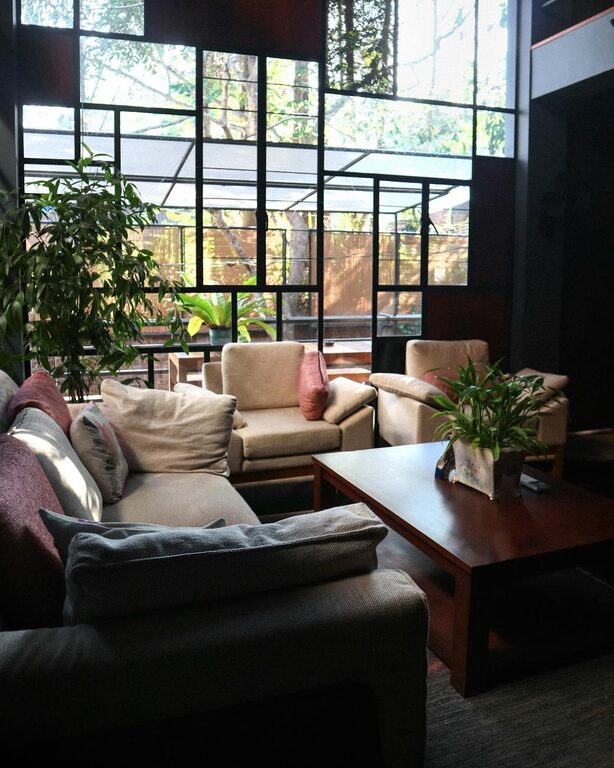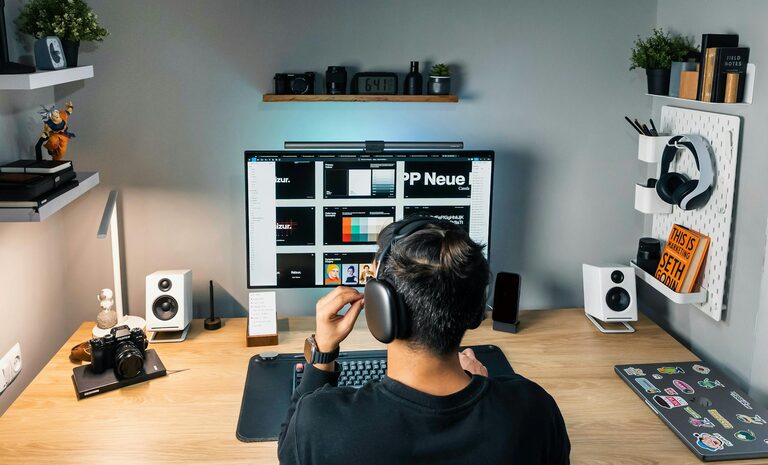
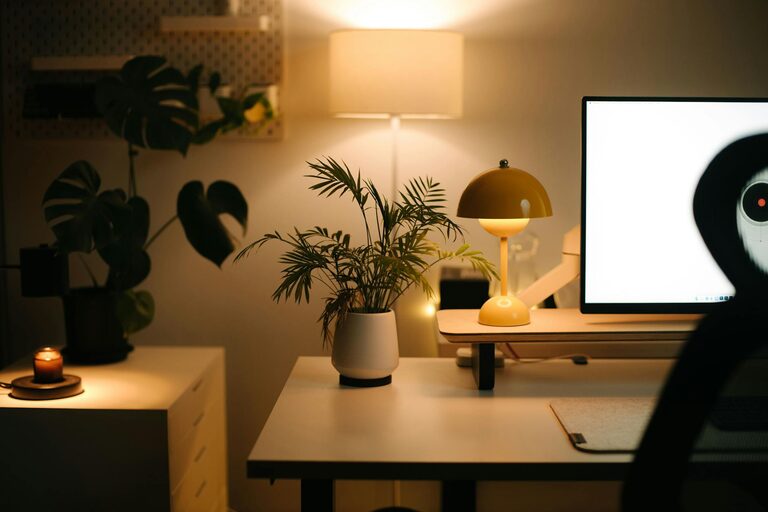
Creating a cosy and inviting home office is more important than ever. With many people spending a significant part of their day working from home, having a space that is both comfortable and functional can make a real difference in productivity and wellbeing. Whether you have a dedicated room or just a small corner, it’s possible to transform your workspace into a welcoming retreat that inspires creativity and focus. Here are tips to help you design a home office that you’ll enjoy spending time in.
Choose the Right Location
The first step is to select a space that suits your work style and household layout.
– Natural Light: A spot near a window is ideal, as natural light boosts mood and helps reduce eye strain.
– Minimal Distractions: Pick a quiet area away from busy parts of the home to maintain concentration.
– Space Considerations: Ensure there is enough room for your desk, chair, and any storage you need without feeling cramped.
If your home doesn’t have a spare room, consider creative options such as a nook in the living room, the end of a hallway, or even a section of the bedroom.
Invest in Comfortable, Supportive Furniture
Since you may be spending hours at your desk, the furniture you choose can greatly impact your comfort and health.
– Ergonomic Chair: Choose an adjustable chair that supports your back and promotes good posture.
– Desk Height: Your desk should allow your elbows to rest at a 90-degree angle when typing.
– Flexible Options: For added comfort, consider a sit-stand desk or an adjustable table.
Comfort doesn’t mean sacrificing style. Many ergonomic chairs and desks come in designs that complement various interior styles.
Create a Soothing Colour Palette
Colours affect mood and focus, so choose a palette that feels calm and energising.
– Neutral Tones: Soft whites, creams, or pale greys create a clean backdrop that reduces visual clutter.
– Accent Colours: Use pastel blues, greens, or warm earth tones to add warmth and personality without overwhelming the space.
– Consistency: Coordinate your wall colour, furniture, and accessories to maintain harmony.
If you prefer bolder colours, consider incorporating them through cushions, artwork, or rugs instead of large surfaces.
Add Personal Touches
A workspace that reflects your personality will feel more inviting and inspiring.
– Artwork and Photographs: Display your favourite prints or photos in simple frames.
– Plants: Indoor greenery not only improves air quality but also adds life and colour.
– Decorative Items: Use items that make you smile or motivate you, such as inspirational quotes or souvenirs from travels.
Just remember to keep personal items organised so they don’t clutter your desk or distract you.
Ensure Proper Lighting
Good lighting is essential for productivity and avoiding eye fatigue.
– Layered Lighting: Combine natural light with ambient, task, and accent lighting for flexibility.
– Desk Lamp: An adjustable desk lamp with warm white light helps when working in the evening or on detailed tasks.
– Avoid Glare: Position screens and lights to minimise reflections during your workday.
Switching to energy-efficient LED bulbs with adjustable brightness can also enhance moment-to-moment comfort.
Organise Efficiently
A tidy environment encourages clear thinking. Incorporate storage solutions that fit your needs and style.
– Shelving and Cabinets: Use wall-mounted shelves or closed cabinets to keep supplies organised and out of sight.
– Desk Organisers: Drawer dividers, pen cups, and trays help keep everyday items in order.
– Cable Management: Use clips or boxes to keep electrical cords neat and prevent tangles.
Regular decluttering habits are just as important — make time each week to tidy your space.
Consider Acoustics
If noise is an issue, taking steps to soften sound can improve concentration.
– Soft Furnishings: Rugs, curtains, and cushions absorb sound and add warmth.
– Soundproofing Accessories: Acoustic panels or foam tiles can be stylish as well as practical.
– White Noise Machines or Fans: These help mask distracting sounds without being intrusive.
If possible, close doors and windows to reduce outside noise while working.
Incorporate Technology Thoughtfully
Technology is essential but should be managed to avoid overwhelming the space.
– Wireless Devices: Use wireless keyboards, mice, and printers to reduce clutter.
– Charging Stations: Create a dedicated spot for charging your phone and other gadgets.
– Screen Setup: Position monitors at eye level and at the correct distance to lessen neck strain.
Choose technology that matches the size of your space—smaller devices for compact areas, larger screens if space allows.
Add Comfort with Textiles
Soft materials can make your office feel inviting and cosy.
– Cushions and Throws: Place a cushion on your chair or a throw over a nearby chair for extra comfort.
– Rugs: A rug can define your workspace area and add warmth underfoot.
– Curtains or Blinds: These control light and provide privacy while adding texture and colour.
Natural fibres such as cotton, wool, or linen often work well both for comfort and sustainability.
Final Thoughts
Designing a cosy and inviting home office is about balance — blending functionality with personal style. Tailor your space to suit your needs, add touches that make you feel good, and keep it organised. Even with limited space or time, small changes such as better lighting or a new cushion can elevate the atmosphere and make working from home a more pleasant experience.
Creating a workspace you love encourages productivity, reduces stress, and supports your wellbeing. Start with these tips and enjoy crafting your perfect home office haven.