
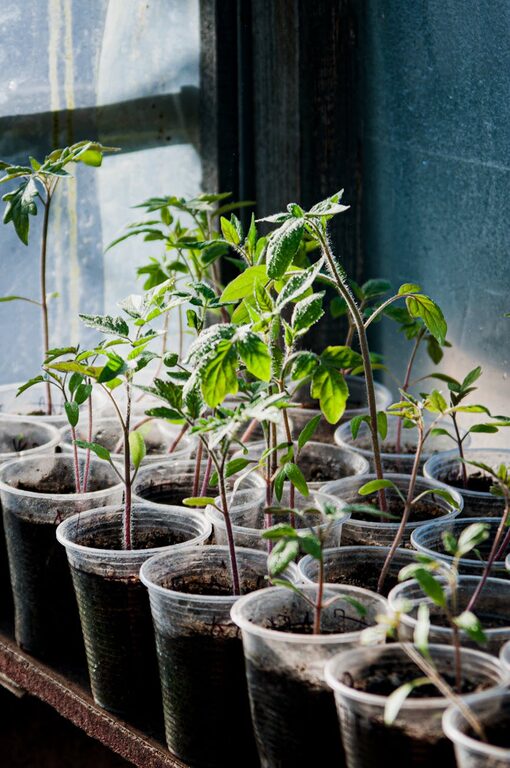
Creating a sustainable and eco-friendly home garden is a rewarding way to connect with nature while helping to protect the environment. By adopting mindful practices, you can enjoy fresh produce, beautiful plants, and a thriving outdoor space year-round, without harming the planet. Whether you have a large garden or a small balcony, these tips will guide you in cultivating an eco-conscious garden that cares for the earth as much as it delights you.
Plan Your Garden with Sustainability in Mind
Before planting, take time to plan your garden thoughtfully. Consider your local climate, soil conditions, and the types of plants best suited to your environment. Choosing native species is a key step because they require less water and fewer resources while supporting local wildlife such as bees and butterflies.
– Research native plants or those adapted to your area.
– Opt for plants that flower or bear fruit during different seasons to ensure year-round interest and productivity.
– Design your space to maximise natural sunlight and shelter from harsh weather.
Prioritise Organic and Natural Practices
Avoid chemical pesticides and fertilisers, which can damage ecosystems and pollute soil and water. Instead, use natural methods that encourage biodiversity and healthy plant growth.
– Compost kitchen waste to create nutrient-rich soil amendments.
– Use organic mulches like straw or bark to retain moisture and suppress weeds.
– Introduce companion planting to naturally deter pests and improve growth, such as marigolds with tomatoes.
– Encourage beneficial insects like ladybirds and earthworms to maintain soil health.
Water Wisely and Efficiently
Water conservation is essential for an eco-friendly garden. Plants generally need less water than people assume, especially if they are well chosen and cared for.
– Water early in the morning or late in the evening to reduce evaporation.
– Use rainwater harvesting systems such as barrels to collect and store rain for use in your garden.
– Employ drip irrigation or watering cans for precision watering.
– Group plants with similar watering needs together to avoid waste.
Enrich Your Soil Naturally
Healthy soil is the foundation of a sustainable garden. Improving soil structure and fertility without synthetic chemicals supports long-term plant health and reduces environmental impact.
– Add organic matter regularly, including homemade compost or well-rotted manure.
– Avoid digging or tilling excessively to preserve soil organisms.
– Rotate crops each season to prevent nutrient depletion.
– Introduce cover crops during the off-season to fix nitrogen and prevent erosion.
Make the Most of Seasonal Growing
Utilising seasonal cycles helps you maintain a productive garden throughout the year while reducing reliance on imported or out-of-season plants that require more resources.
– Grow cool-season vegetables like kale, spinach, and Brussels sprouts in autumn and winter.
– Plant early spring bulbs and herbs to get a head start on the growing season.
– Use cloches, cold frames, or greenhouses to extend your growing season naturally.
– Save seeds from your plants to replant for the next year, reducing the need to buy new ones.
Reduce Waste and Reuse Materials
Sustainability is about minimising waste in every part of life, including gardening.
– Repurpose containers, pallets, or timber to create garden beds or compost bins.
– Avoid single-use plastics by using biodegradable plant pots or growing directly in the ground.
– Recycle garden trimmings through composting or use them for mulch.
– Share surplus seeds or plants with neighbours or community groups.
Encourage Wildlife and Biodiversity
A truly eco-friendly garden supports wildlife, helping to balance the ecosystem and offering natural pest control.
– Create a small pond or water feature for amphibians and insects.
– Leave some areas wild or plant wildflowers to attract bees, butterflies, and birds.
– Provide bird feeders, birdhouses, or insect hotels.
– Avoid using chemical treatments that can harm beneficial creatures.
Monitor and Adapt Your Approach
Sustainability is a continuous journey. Observe how your garden responds through the seasons and be ready to adjust your methods.
– Keep a gardening journal noting successes and challenges.
– Learn from local gardening groups or workshops.
– Stay informed about best eco-friendly gardening practices.
Final Thoughts
By making mindful choices and embracing eco-friendly gardening methods, you can create a beautiful and sustainable garden that thrives throughout the year. Your efforts not only enhance your home environment but also contribute to the health of the planet, one plant at a time. Happy gardening!